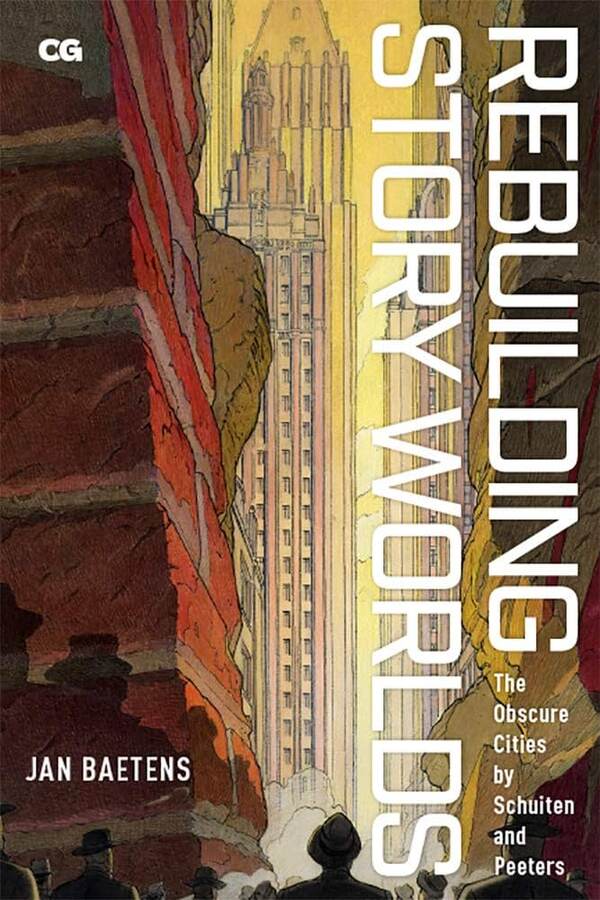
The Obscure Cities (Les Cités Obscures)
Written by Benoît Peeters. Art by François Schuiten.
Architecture becomes the plot in a world of magnificent, unsettling cities.
Overview
Peeters and Schuiten build a parallel world through linked albums rather than a single hero’s quest. Each city has its own design logic, institutions and mysteries; moving among them reveals how a built environment can shape thought and behavior.
The series began in 1982 and grew into an unusually expansive shared setting. Its stories invite readers to inspect maps, facades and civic rituals as carefully as dialogue.
Why It Matters
Its achievement lies in making architecture a narrative force. The cities are not decorative backdrops: their scale and geometry can dwarf residents or make entire social orders feel possible.
The work also rewards reading across albums, where recurring places and ideas accumulate without demanding a single linear plot.
The Science Fiction
The alternate world blends retro technology, speculative urban planning and unstable borders between imagined and familiar places. Its science fiction works through systems and space rather than a catalog of gadgets.
The question under each elaborate skyline is how a city governs its people, often before any official authority speaks.
Art & Visual Identity
Schuiten gives buildings weight through precise perspective, dense linework and grand establishing views. Peeters leaves room for images to carry the logic of a place.
The result is a comic in which lingering over a street or station is part of following the story.
Read This If You Like
- Architectural science fiction
- Parallel worlds
- Retro futurist cities
- Connected stand-alone albums